Bubble Traps
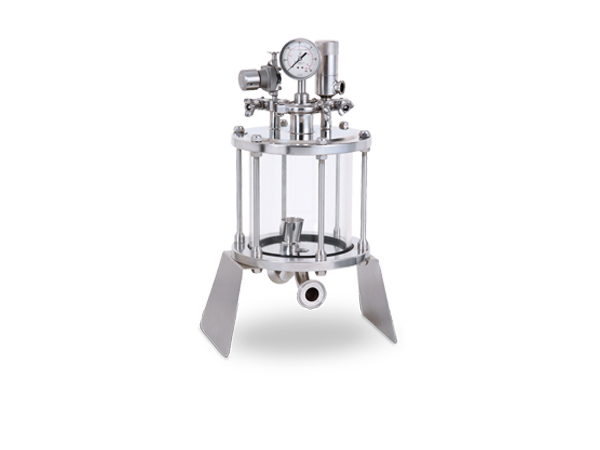
Engineered to remove pockets of air during the critical chromatography processes, our hygienic bubble traps feature an ultra-clean and installation-friendly design. We offer a wide array of sizes and port configurations.
Hygenitec™
Engineered to remove pockets of air during the critical chromatography processes, our hygienic bubble traps feature an ultra-clean and installation-friendly design. We offer a wide array of sizes and port configurations.
WHAT IS A BUBBLE TRAP?
A bubble trap is a device that removes air bubbles from aqueous solutions in-line or downstream in a fluidic system. Unfortunately, air bubbles in the fluidic flow can cause significant problems for applications because the bubbles unexpectedly change the intrinsic physical properties of the microfluidic environment. This change can increase the internal pressure abruptly in a fluidic/microfluidic system. It may lead to sudden shear force variations, which change the compliance of the system or even blocks small channels. Bubble traps are instrumental in ensuring a safe performance in any sanitary hydraulic system.
Unibloc’s bubble trap design comes with a number of benefits, including the electropolished 316L stainless steel material we use. We manufacture multiple sizes and port configurations for maximum customization, to give our customers the options they need for successful application. Our bubble traps come with comprehensive documentation, including material test reports and surface finish certification, so customers can count on our rigorous quality control.


From the Blog
View BlogTwin Screw vs. Lobe Pump? Which Pump is the Better Choice for Suspended Solids?
As food processors respond to rising consumer demand for protein-enriched products, from high-protein yogurts to enhanced dairy beverages, production lines face increasing challenges with thick, viscous formulations. With the food processing automation market approaching $40 billion by 2030, the industry seeks equipment capable of handling complex products without compromising throughput or quality.
Read BlogComparing Hygienic Pump Technology Pros and Cons: A Process Engineer’s Guide
In hygienic processing environments, pump selection plays a far greater role than simply moving product from point A to point B. The pump directly influences product integrity, ensuring easy cleaning, reducing food safety risks, minimizing maintenance efforts, and lowering total cost of ownership. For process engineers working in food, beverage, personal care, or pharmaceutical applications, understanding which hygienic pump technology is best designed for each application is essential to building reliable, repeatable processes.
Read BlogChallenging Pump Applications, Meet Your Match
The ultimate guide to knowing when to use twin screw pump technology —don’t let viscosity slow you down
Read BlogUpcoming Events